

Tourism information implies that experiential vacation has grown by over 35% internationally, with food-based actions rating among the most truly effective three tastes for international travelers. In destinations like Venice and Rome, culinary tourism remains to increase as visitors find immersive social experiences rather than standard sightseeing alone. Among these, Food tours venice have become a standout appeal, especially for English-speaking tourists from places like the United States, the United Kingdom, Canada, and Australia.
One of the very often asked issues is the reason why Venice stands out compared to different Italian cities. Statistics indicate that over 60% of tourists in Venice take part in at least one led ethnic task, and cooking classes rank among the highest-rated experiences. The charm is based on the city's unique blend of record, local components, and intimate understanding environments. Visitors aren't only shown recipes but also presented to Venetian traditions, periodic generate, and regional cooking practices that differ from other areas of Italy.
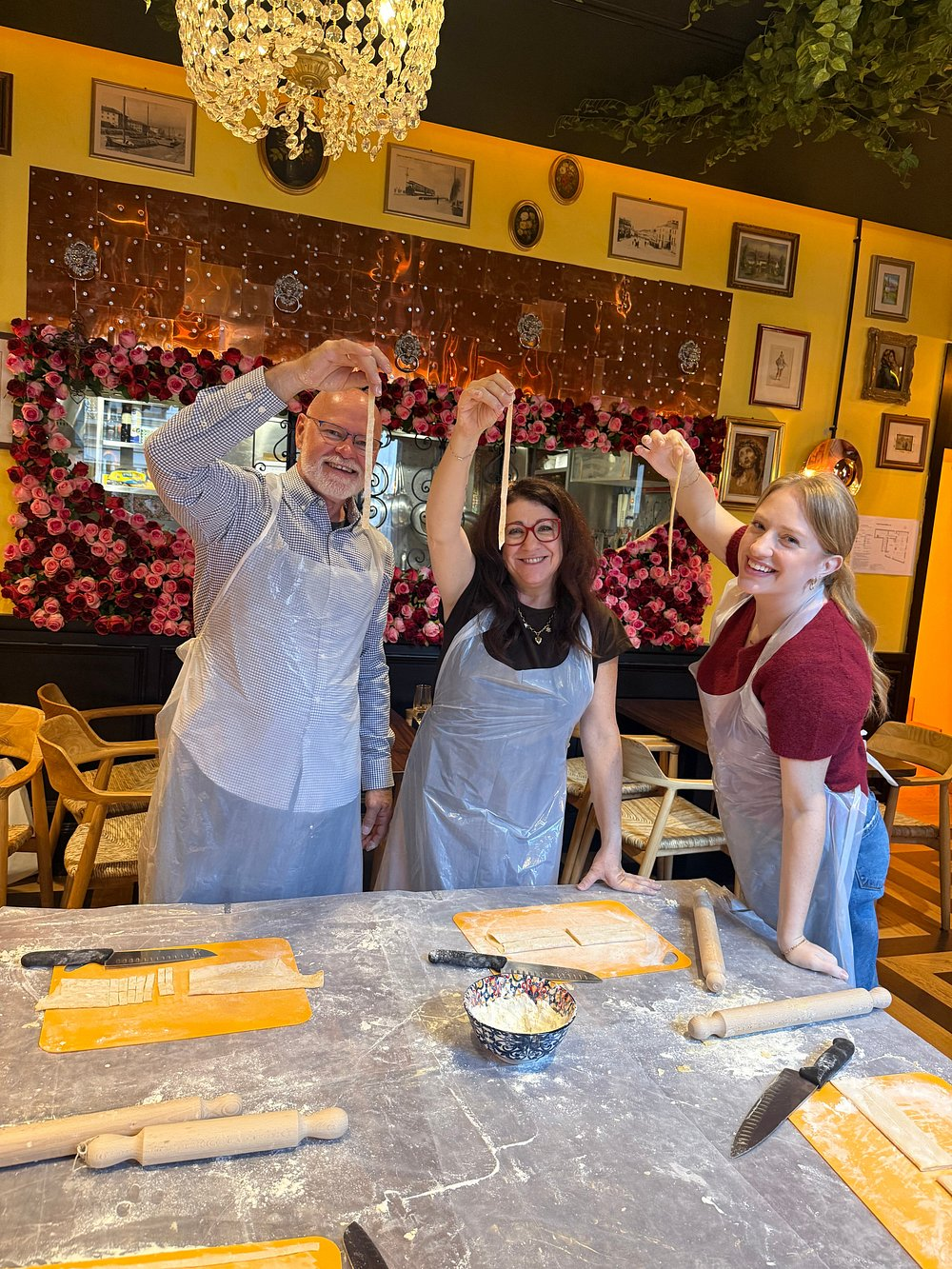
Yet another crucial development requires convenience for international visitors. Around 70% of culinary classes in Venice today provide English-speaking instructors, ensuring a clean and interesting experience. That is particularly very theraputic for people from English-speaking nations, since it eliminates language barriers and enhances the academic price of the class. Several sessions also include led market tours, allowing players to investigate regional elements and understand their beginnings before cooking.
Vacation behavior insights demonstrate that tourists significantly choose small-group or individual classes. Data implies that 55% of bookings are now actually for individualized or boutique activities as opposed to big party sessions. This change highlights the growing need for reliability and hands-on interaction. Readers often question whether these classes are suitable for novices, and the answer is overwhelmingly positive. Many applications are created to support all ability levels, creating them available to even individuals with number prior cooking experience.
Location also plays an essential position in decision-making. cooking classes based near main parts or iconic landmarks in Venice have a tendency to position larger in local search benefits and attract more bookings. Furthermore, several travelers mix their Venice culinary experience with visits to Rome, developing a broader Italian food journey. This dual-destination method has increased by almost 25% lately, particularly among tourists from France and Spain that are exploring Italy's regional diversity.
Another frequent issue revolves round the kinds of recipes taught. Venetian cooking classes usually give attention to new pasta, seafood specialties, and old-fashioned desserts. Periodic selections really are a critical spotlight, ensuring that members knowledge reliable types arranged with regional traditions. This emphasis on reliability attributes to higher satisfaction costs, with over 90% of players ranking their experience as “excellent” or “really good.”

Electronic trends also show that tourists depend heavily on regional SEO and map-based queries when choosing activities. Entries enhanced for Venice and Rome places tend to perform considerably better, particularly once they include clear explanations, updated schedules, and genuine reviews. Businesses that keep powerful online presence and give detailed booking possibilities see as much as 40% larger engagement.
In conclusion, cooking classes in Venice are more than a tourist activity—they symbolize an increasing section of experiential vacation driven by credibility, availability, and national immersion. For English-speaking tourists, these classes provide a unique prospect for connecting with Italian heritage while creating wonderful, hands-on activities that increase much beyond the kitchen.